
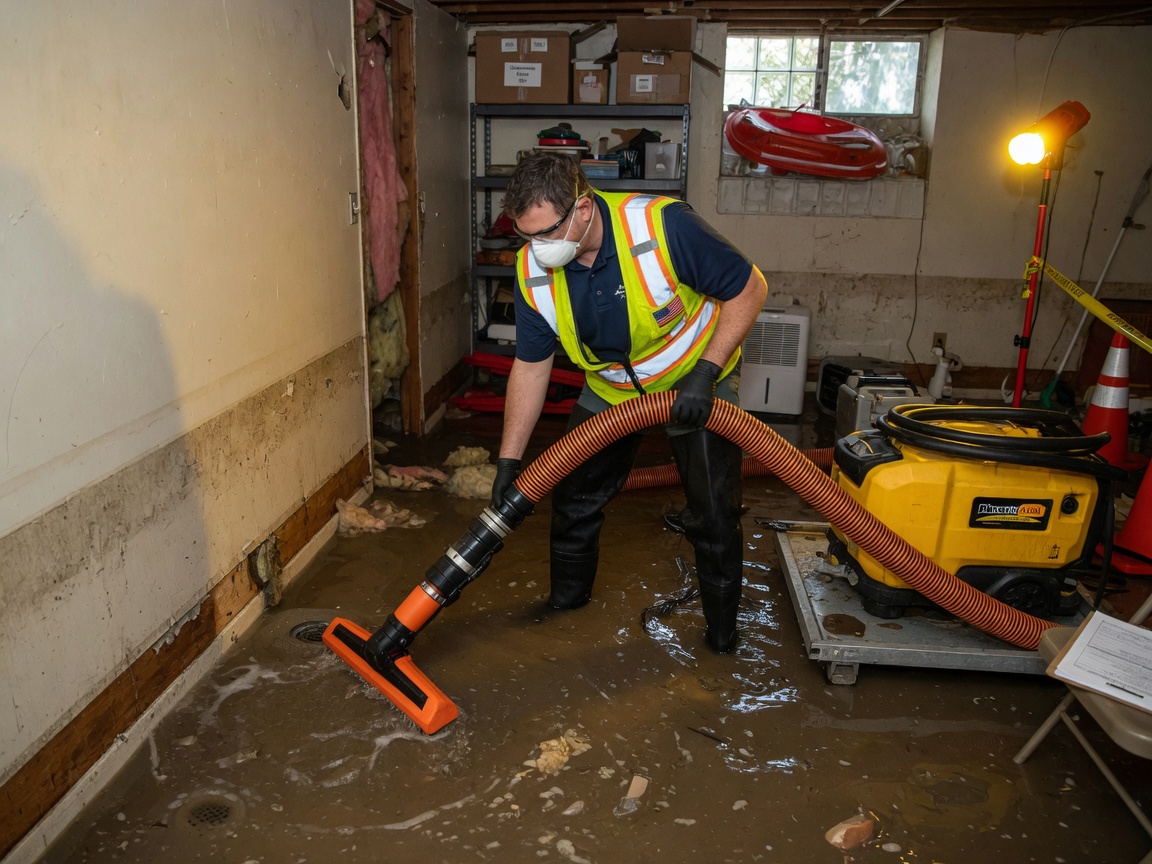
Spokane’s freezing winter temperatures can cause pipes to burst, particularly in older homes throughout Browne’s Addition and the Perry District. When a pipe breaks, water can quickly spread into drywall, hardwood flooring, and subfloors, making prompt water removal and cleanup important. Restoration crews use professional extraction equipment and moisture meters to remove standing water and identify areas that may need additional drying. Moisture documentation can also help support insurance discussions, while drying methods are selected based on the affected materials and site conditions.
Properties near Riverfront Park, South Hill, and the Spokane River may also experience water intrusion during spring runoff or heavy summer storms. Sump pump failures, overwhelmed drains, and sewage backups can affect finished basements and crawl spaces. Depending on the source, restoration may involve basement flooding cleanup, sewer backup cleanup, or specialized sewage damage cleanup. Contaminated water requires appropriate protective equipment, containment, and cleaning procedures. Hidden moisture behind built-in cabinetry or inside wall cavities may also require further inspection and carefully targeted removal of damaged materials.
Spokane’s changing seasons create different water damage risks throughout the year. Frozen pipes are a concern during winter, while roof leaks and storm-related flooding can occur during warmer months. In multi-story properties, crews may work in sections to help limit water migration and address affected areas systematically. Restoration procedures may follow applicable IICRC S500 guidance, with moisture monitoring and drying documentation used to track progress. Structural drying and moisture mapping and measurement can help determine when affected materials have reached appropriate drying goals.
Seasonal Water Damage Prevention in Spokane
Cold weather can increase the risk of frozen-pipe damage in Downtown Spokane, while summer storms may contribute to flooding near Manito Park and other low-lying areas. Before the first hard freeze, consider checking exposed supply lines, sump pumps, and drainage systems for signs of wear or other issues. Routine preventive water damage assessments may help identify vulnerabilities before severe weather arrives. If water damage does occur, prompt water damage restoration can help limit further damage and guide the property through cleanup and drying.
Emergency Water Extraction Services We Offer
✓Basement Water Extraction
Removes standing water from finished and unfinished basements using submersible pumps and floor-level extractors before mold growth begins.
✓Carpet and Pad Water Removal
Extracts water from carpet and padding in living areas, then lifts and dries materials to prevent permanent staining and odor.
✓Crawl Space Water Extraction
Drains water from under-home crawl spaces and installs temporary dehumidification to protect joists and insulation from rot.
✓Appliance Leak Extraction
Responds to dishwasher, washing machine, and water heater failures by extracting water from kitchens and laundry rooms without spreading contamination.
✓Flooded Garage Extraction
Clears water from attached garages after heavy rain or snowmelt, protecting vehicles and stored items from corrosion.
Emergency Water Extraction Cost in Spokane, WA
| Service | Typical Range | What Affects It |
|---|---|---|
| Residential Basement Extraction | $450–$950 | Varies with depth of water and whether carpet or hardwood is present |
| Crawl Space Extraction | $600–$1,200 | Higher when insulation must be removed and disposed |
| Appliance Leak Extraction | $300–$650 | Lower end for small kitchen spills; higher for laundry room overflows |
| Emergency After-Hours Response | Add $150–$300 | Applies outside Mon–Fri 8am–6pm and Sat 9am–2pm |
Ranges are typical for Spokane, WA and confirmed with an exact written quote before any work starts.
How it works
- 1
Arrival And Assessment
Technician arrives within the service window, locates the water source, and maps affected areas with moisture meters.
- 2
Standing Water Removal
Pumps and extractors remove bulk water from floors and low-lying surfaces while containing any contaminated runoff.
- 3
Targeted Drying Setup
Air movers and dehumidifiers are placed according to IICRC guidelines, with daily monitoring visits scheduled.
- 4
Final Moisture Verification
Readings are taken on all affected materials and compared to unaffected areas before equipment is removed.
Pricing
Pricing depends on water volume, affected square footage, and whether the water is clean or contaminated. Upfront quotes are provided after the initial assessment.